Free document tool
Free AI transcriber to turn document photos into clean Markdown
Turn visible text in a scan, photo or screenshot into editable Markdown.
Upload one document image. The selected OCR provider reads its pixels and rebuilds headings, paragraphs, lists and simple tables in Markdown. Keep the image open beside the text and check names, punctuation, numbers and narrow table cells before you copy or download anything.
Content reviewed .
Copy and Markdown download are available from the Text viewer after conversion. See Free limits.
Anonymous originals stay in browser storage, not cloud file storage. Extraction may send document content to the selected AI provider.
Upload a document image. JPG, PNG, WebP, GIF, TIFF or AVIF image files are supported up to 50 MB.
28-day Free trial · 25 page-equivalents · 5 hosted pages/document
How does image to Markdown conversion work?
Dynamite Docs uses AI OCR to read visible text from a document photo, scan, or screenshot and turn it into editable Markdown. Review the wording, reading order, headings, lists, and table cells beside the image.
Markdown keeps text structure, not the original design. Blur, cropping, columns, handwriting, formulas, and diagrams can require manual correction.
How do you transcribe text and tables from an image into clean Markdown syntax?
Use Image to Markdown when a scanned page, document photo, or screenshot contains text, headings, lists, or simple tables that you need to convert into editable Markdown syntax. Capture the document with sharp focus, even lighting, and minimal perspective tilt to ensure optical character recognition can distinguish character details.
After extraction, review the generated Markdown document from top to bottom. Verify heading depth (# to ###), check that lists retain proper numbering and bullet nesting, verify table pipes and column alignments, and check character accuracy in proper nouns, dates, and alphanumeric codes.
If the original file is a PDF with selectable digital text, use PDF to Markdown for private, zero-upload local conversion in your browser. Choose Image to Excel or Image to CSV when tabular calculations and cell types are the primary focus, or Image to JSON for structured application schemas. For confidential data, review AI provider routing and data-residency policies in workspace settings.
Compare monthly processing allowances and plan limits or read the step-by-step extraction and review guide.
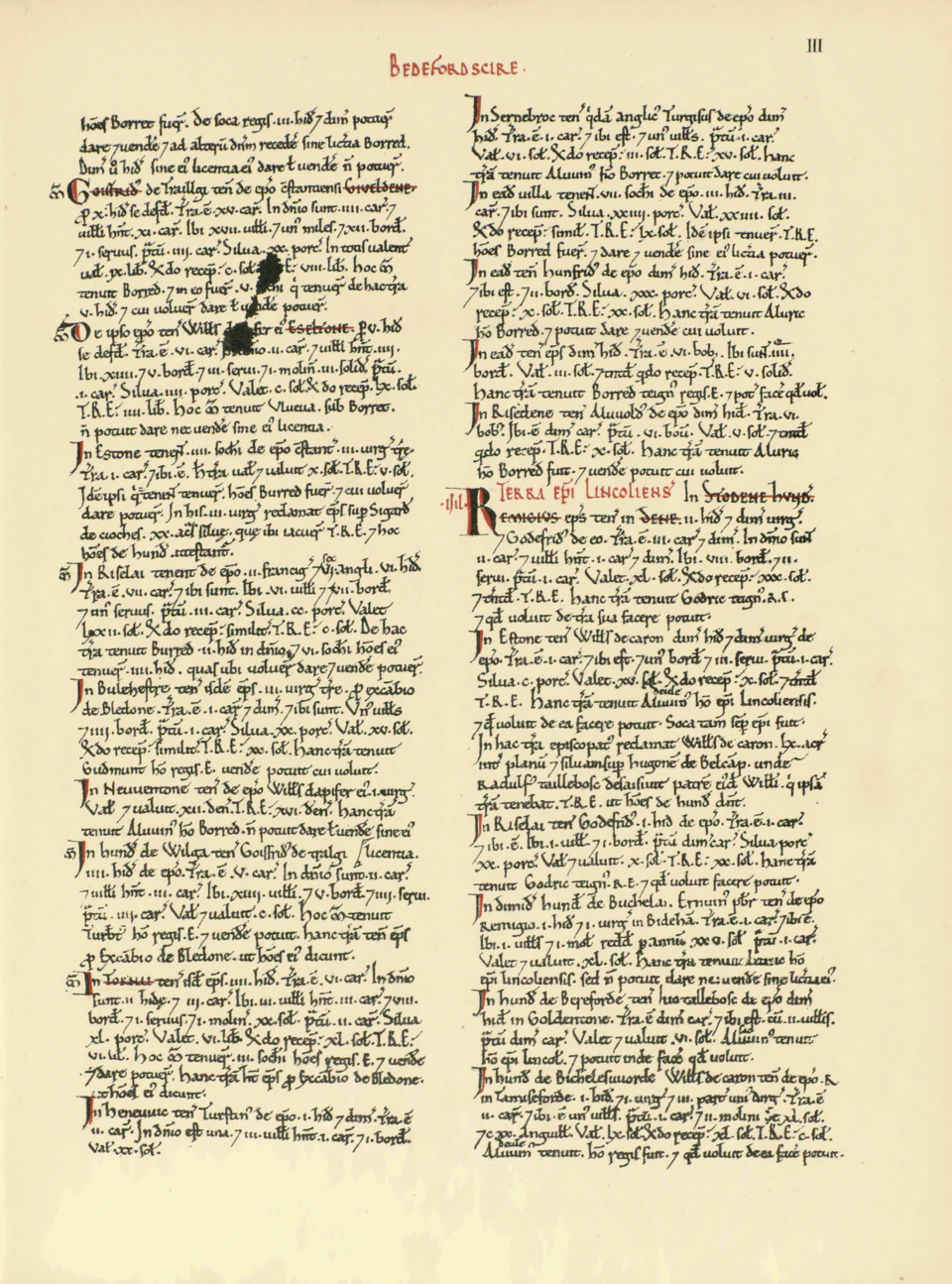
Check document extraction results with Dynamite Docs with these sample files
German handwritten invoice
Open image Download image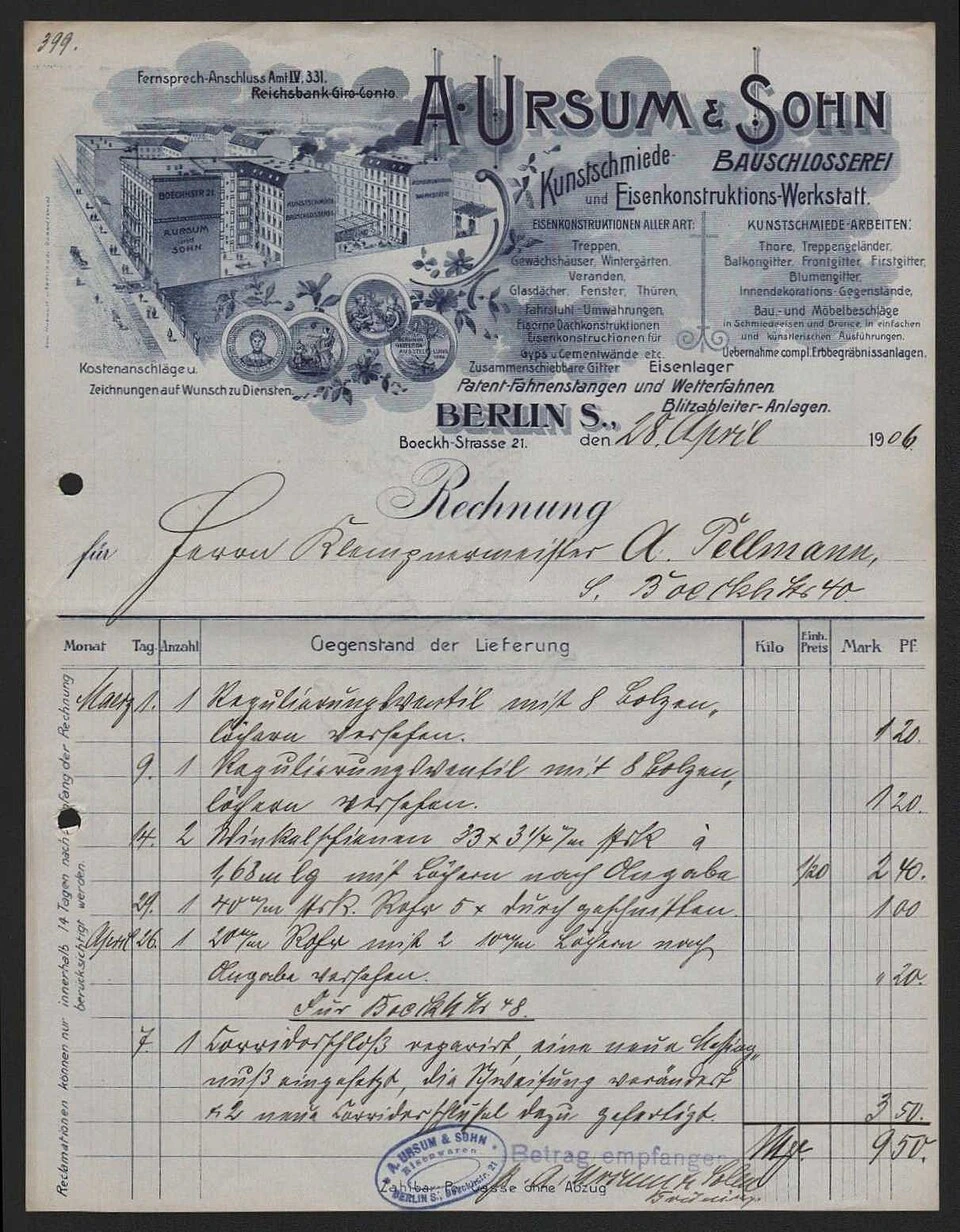
The output stays beside the evidence
Dynamite Docs keeps the source and structured result in one review workspace. Infer document fields and repeating rows, correct values against the page, inspect warnings and export the accepted result.
This is more than a plain OCR transcript. The result separates fields, line items, totals and notes so a person can check the structure before sending data to Excel, CSV, JSON, Google Sheets, Google Drive, a webhook or the API.
Connect an AI provider and get a key
Choose a hosted model or connect your own provider key for the extraction.
Provider keys are encrypted before storage. Compare processing options or follow the setup guide.
What the editable Markdown contains
- Visible headings and paragraphs become editable Markdown after the selected OCR provider reads the image pixels.
- Lists and simple tables can retain Markdown structure instead of arriving as one unbroken block of OCR text.
- The source image remains available beside the Text viewer so characters, punctuation, and table cells can be checked before reuse.
- The output preserves visible wording rather than summarizing the page. Reviewers can change heading levels, list nesting or table syntax without treating an OCR guess as part of the source.
- Markdown captures semantic structure, not the original design. Fonts, colors, precise spacing, complex diagrams and decorative placement are not recreated in the text file.
From visible pixels to Markdown
An image contains pixels rather than selectable text. OCR must recognize the characters first, then the extraction step can rebuild useful document structure.
- Headings: Visible titles become # headings
- Paragraphs: Line fragments join into editable text
- Lists: Bullets and checklists keep item boundaries
- Tables: Simple grids become Markdown pipe tables
- Numbers: Dates and amounts remain reviewable text
- Source: The image stays beside the Text viewer
Extract first, then decide what to keep
- Upload and extract one document image without creating an account.
- Review low-confidence values beside the source document.
- Copy and Markdown download are available from the Text viewer after conversion.
- Starter and above add stored files, batch jobs and connected exports. Email intake requires Pro or Scale. File and processing limits depend on your plan.
Compare batch-processing plans or read how extraction and review work.
Check every character that carries meaning
OCR mistakes are often plausible. Compare names, dates, decimal points, identifiers, punctuation, and narrow table columns with the source. Retake a photo when blur, glare, perspective, or cropping hides part of the page.
Cases that need manual review
- Blur, glare, low contrast, aggressive JPEG compression, and very small text can replace or drop characters during OCR.
- A screenshot cropped through a heading, label, or table edge removes context that no parser can reliably reconstruct.
- Handwriting, formulas, diagrams, overlapping annotations, and dense multi-column pages may need substantial manual correction.
- A plausible character substitution in a name, date, amount or code may read naturally and still change the meaning.
- Multi-column screenshots can interleave paragraphs when the reading order is unclear, even if individual words are recognized.
- Turn a document screenshot into editable notes
- Recover text from a photographed page
- Convert a scan for use in a Markdown knowledge base
- Check a small table before copying it into documentation
Read the image OCR guide for photo, screenshot, scan, and table quality before choosing an output format.
Choose the page for the job
Use Image to Markdown when a scanned page, document photo, or screenshot contains text, headings, lists, or simple tables that you need to convert into editable Markdown syntax. Capture the document with sharp focus, even lighting, and minimal perspective tilt to ensure optical character recognition can distinguish character details.
After extraction, review the generated Markdown document from top to bottom. Verify heading depth (# to ###), check that lists retain proper numbering and bullet nesting, verify table pipes and column alignments, and check character accuracy in proper nouns, dates, and alphanumeric codes.
If the original file is a PDF with selectable digital text, use PDF to Markdown for private, zero-upload local conversion in your browser. Choose Image to Excel or Image to CSV when tabular calculations and cell types are the primary focus, or Image to JSON for structured application schemas. For confidential data, review AI provider routing and data-residency policies in workspace settings.
Questions about Free AI transcriber to turn document photos into clean Markdown
The 28-day Free trial includes 25 page-equivalents per month shared by hosted and own-key processing, 5 hosted pages per document, and 5 documents per day. Anonymous trials have separate daily limits.
Is Image to Markdown browser-only?
No. Images need OCR because they have no embedded text layer. This workflow may send the image to the provider selected in the workspace. The page states that difference before upload.
Which image formats can I use?
The tool accepts JPG, JPEG, PNG, WebP, GIF, TIFF, and AVIF. The original image usually works better than a compressed copy from email or a messaging app.
Can it preserve a table?
It can express a clear, simple grid as a Markdown pipe table. Merged cells, nested headers, faint rules, and severe perspective distortion can need manual correction.
When should I use PDF to Markdown instead?
Use PDF to Markdown when the PDF already has selectable text. That path runs locally with no AI call. Use Image to Markdown for scans, photos, and screenshots that require OCR.
What should I review before reusing the Markdown?
Read the complete output in order. Compare names, dates, amounts, codes and punctuation with the image, then check heading levels, list nesting, paragraph sequence and table cells. If blur or cropping hides source text, retake the image rather than guessing the missing content.
More free document tools
- Free browser parser to turn selectable text PDFs into Markdown: Convert a text PDF to Markdown in your browser. No upload. No AI model.
- Free tool to parse structured JSON fields from photographed documents: Read fields and tables from an image, then export reviewed JSON.
- Free AI tool to convert photos, scans, and screenshots to Excel: Turn a table photo or screenshot into real Excel cells, not an image inside a sheet.